


OPEN SCIENCE
PROFESSIONAL
PROFILES*
This section presents the two professional profiles developed by Kaleidos for researchers and Research Managers (RMs) to accelerate research impact through knowledge valorisation with an open science (OS) approach.
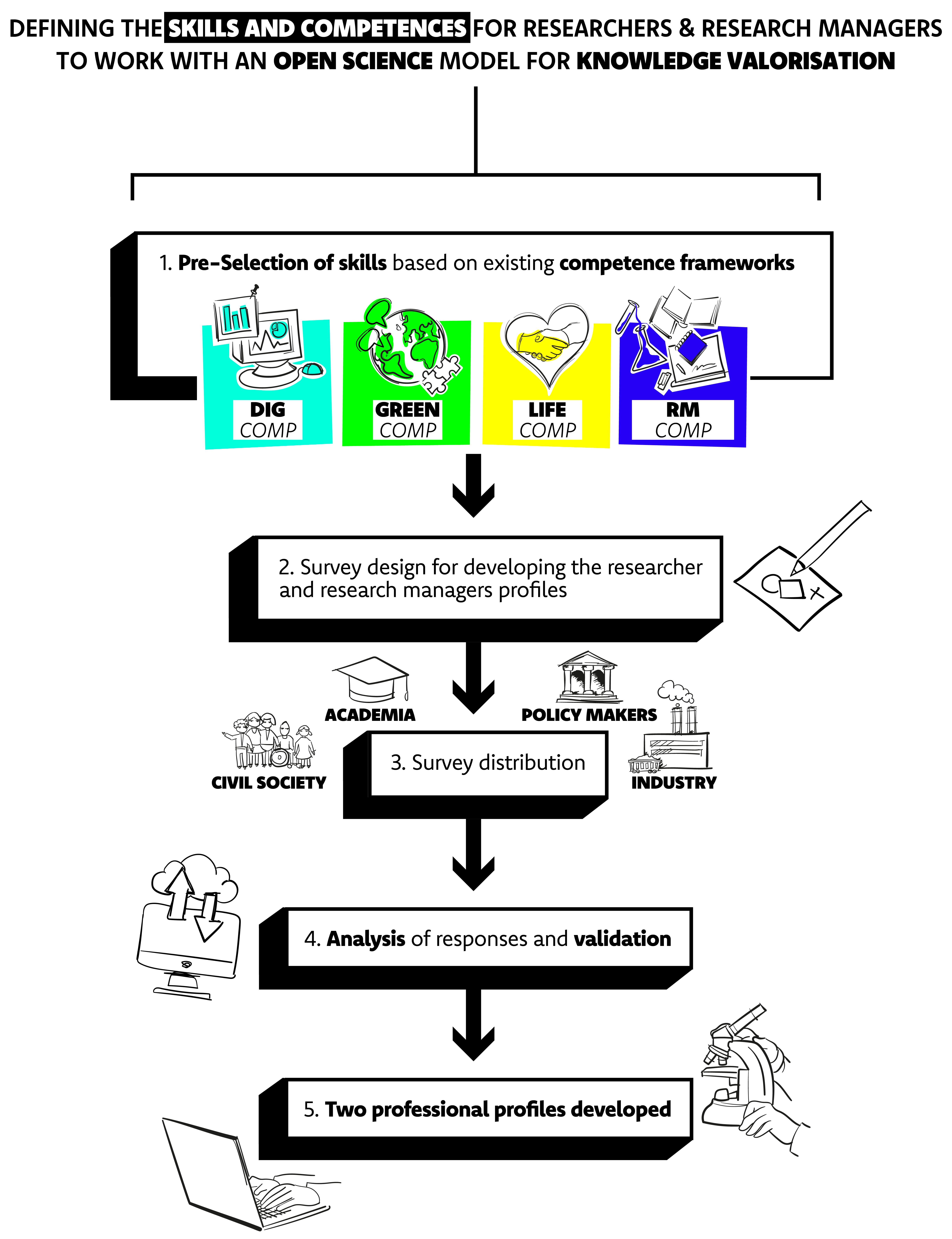
The skills outlined in these profiles were identified through a co-creation process involving actors from across the quadruple helix (QH). Their contributions helped identify the competencies required for open science roles and highlighted existing skills gaps.
By defining these essential skills, Kaleidos has been able to design targeted training programmes tailored to the needs of both researchers and research managers.
In the section below, you will find the skills and competences identified for both researchers and research managers. One of the key findings of this process was the notable complementarity between the two profiles. You can also learn more about how these profiles complement each other in the following sections.

RESEARCHERS MANAGERS’
SKILLS
The skills and competences presented in this professional profile are organised into three dimensions, based on KALEIDOS’ operational definition of Open Science:
Open Science is a collaborative (inclusive, transdisciplinary, intersectoral) and impactful way of doing science with a systemic vision.
Accordingly, skills and competences are grouped into three blocks: systemic vision, collaboration, and impact (a multi-level dimension has also been included for those that concern more than one dimension).
While KALEIDOS builds on UNESCO’s broad definition of Open Science, which includes elements such as open data and open source, the project places particular emphasis on enabling open innovation through effective engagement with quadruple-helix stakeholders to strengthen knowledge transfer and societal impact.







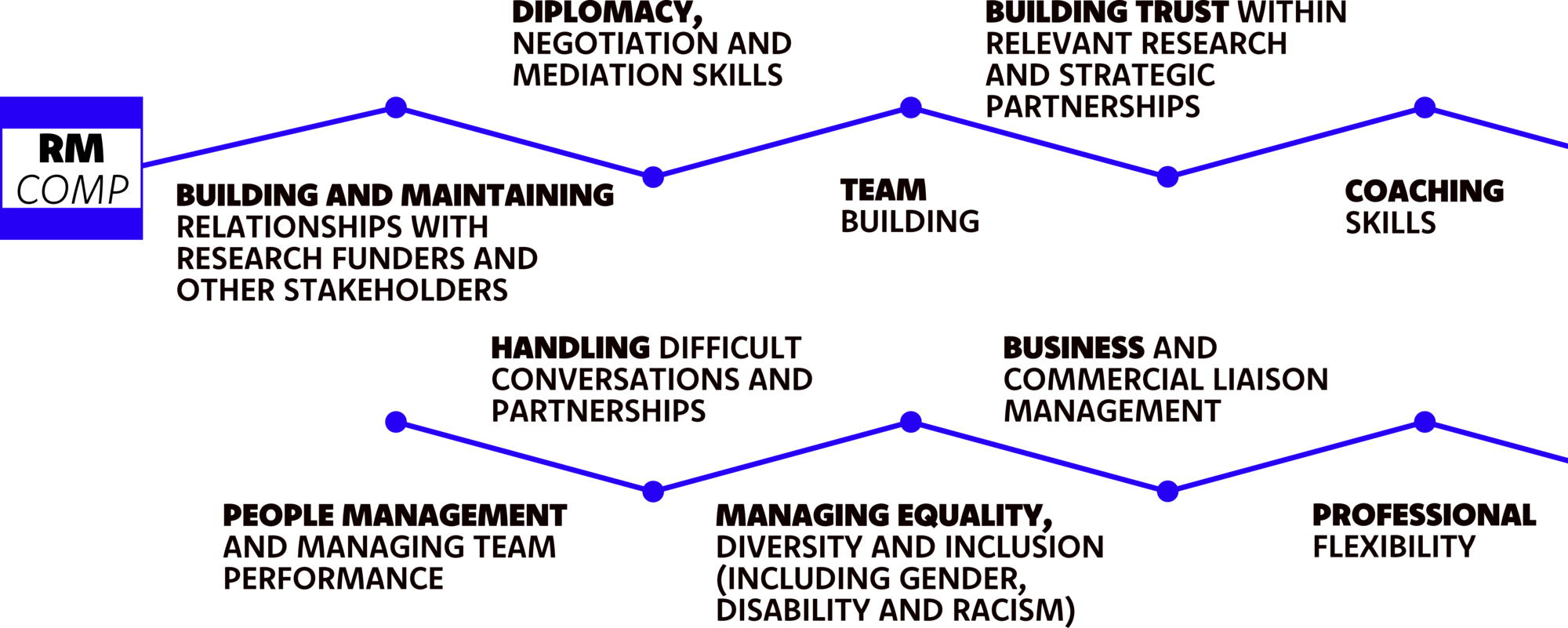




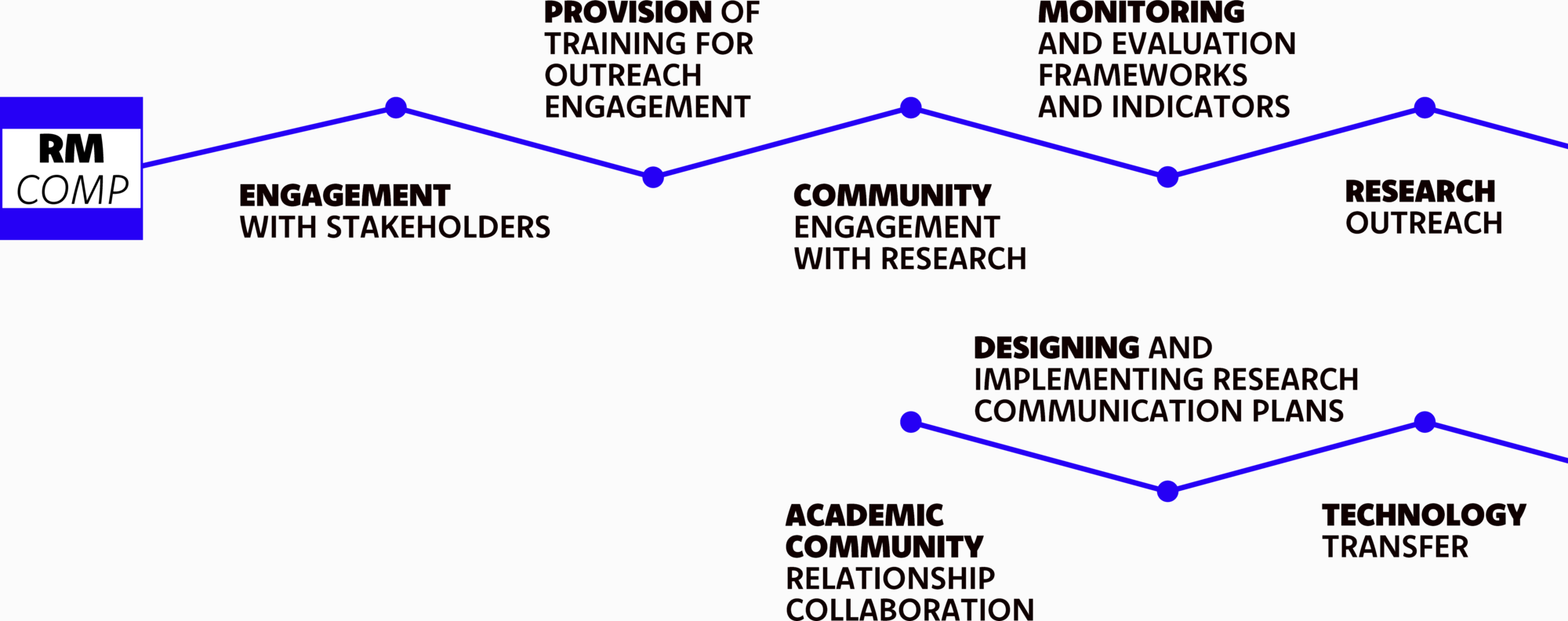
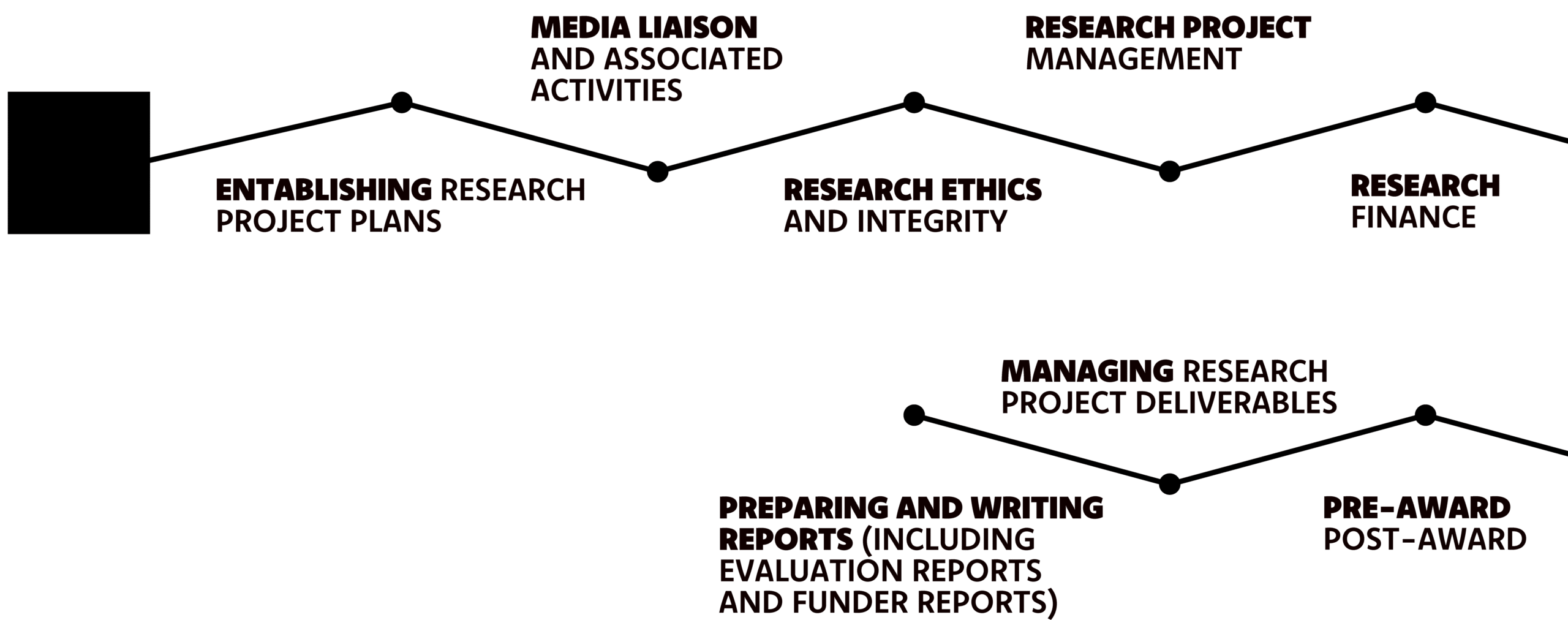
RESEARCHERS’ SKILLS
The skills and competences presented in this professional profile are organised into three dimensions, based on KALEIDOS’ operational definition of Open Science:
Open Science is a collaborative (inclusive, transdisciplinary, intersectoral) and impactful way of doing science with a systemic vision.
Accordingly, skills and competences are grouped into three blocks: systemic vision, collaboration, and impact (a multi-level dimension has also been included for those that concern more than one dimension).
While KALEIDOS builds on UNESCO’s broad definition of Open Science, which includes elements such as open data and open source, the project places particular emphasis on enabling open innovation through effective engagement with quadruple-helix stakeholders to strengthen knowledge transfer and societal impact.





COLLABORATION




ACROSS RESEARCHERS’
AND RESEARCH
MANAGERS’
PROFILES
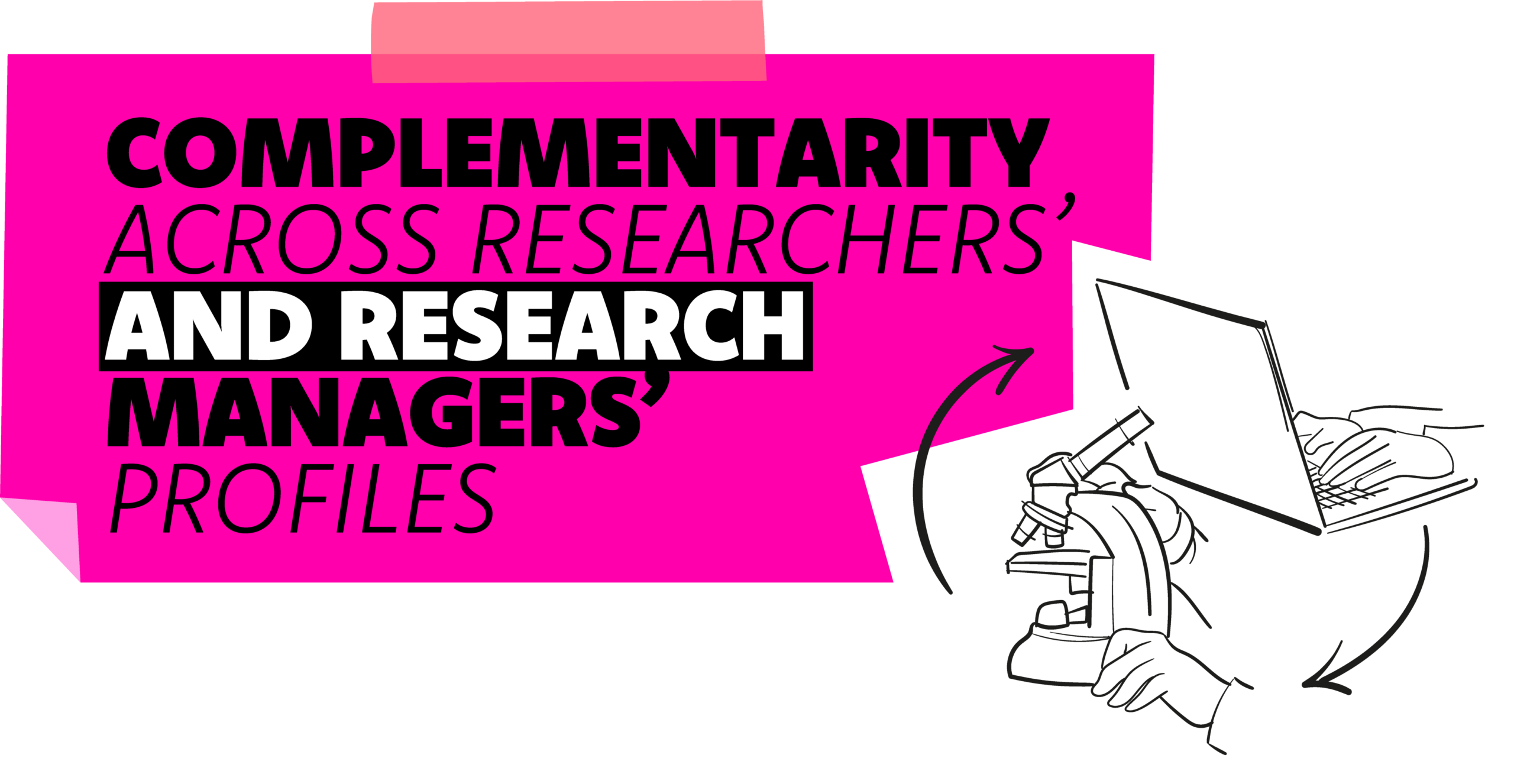
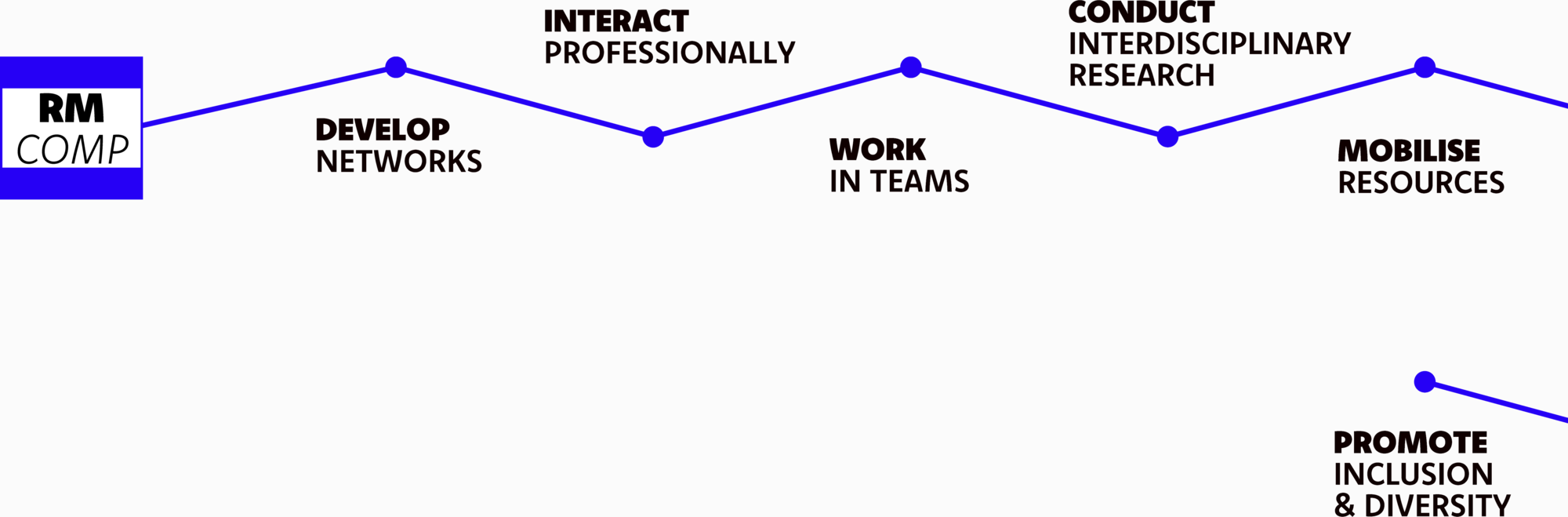
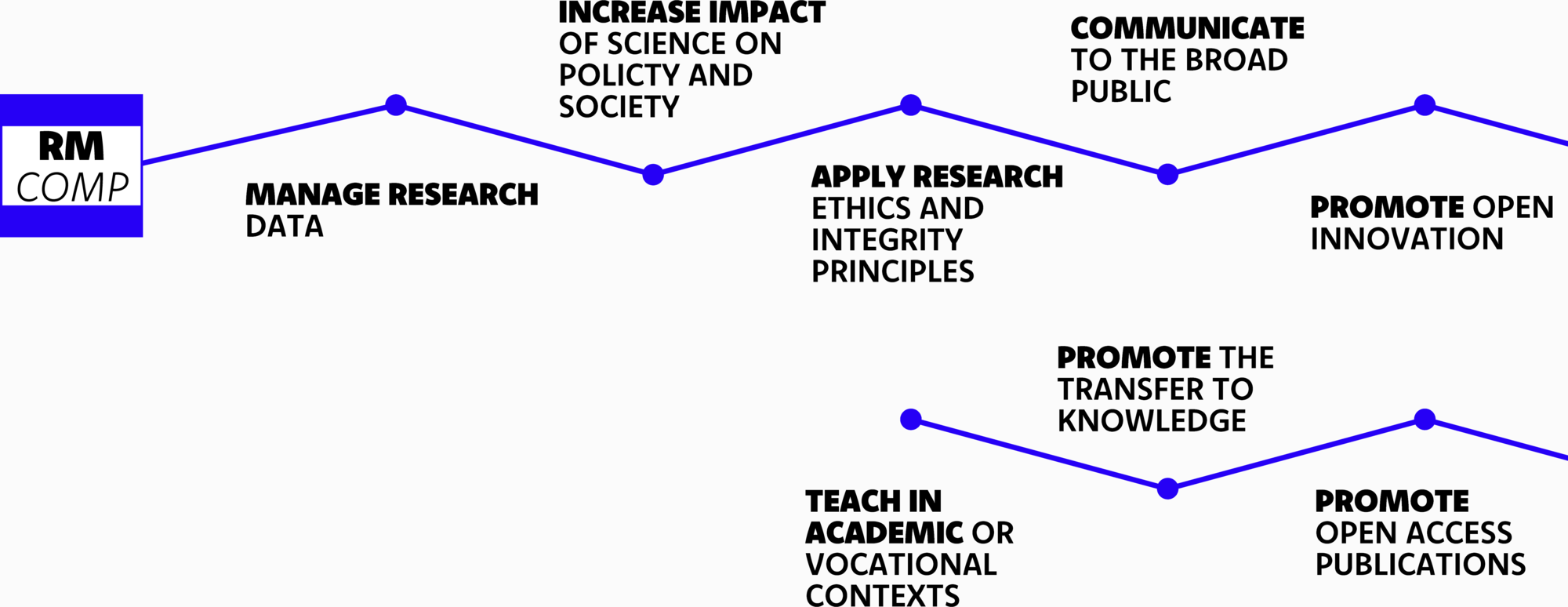
If we do a comparative analysis of the skill profiles of researchers and RMs, we see it reveals a significant number of complementary skills.
These complementary skills emphasize the synergies and interdependencies between the two roles within research and innovation ecosystems.
This analysis further reinforces the critical interplay between researchers and RMs, suggesting more targeted institutional initiatives that aim to optimize their combined impact and actions.


#2_ METHODOLOGY
DIGCOMP
DigComp is the Digital Competence Framework for Citizens. A European reference framework produced by the Joint Research Centre for the European Commission which outlines what digital competence means for citizens. It identifies five main areas (information & data literacy, communication & collaboration, digital content creation, safety, problem-solving) and 21 specific competences, with proficiency levels for each.
LifeComp is a European competence framework developed by the Joint Research Centre (JRC) in collaboration with the European Commission’s Directorate-General for Education. It defines nine key competences in three areas — Personal, Social, and Learning to Learn — that everyone can develop through formal, informal, and non-formal education.
—